Dead Branch Removal in Reno, NV
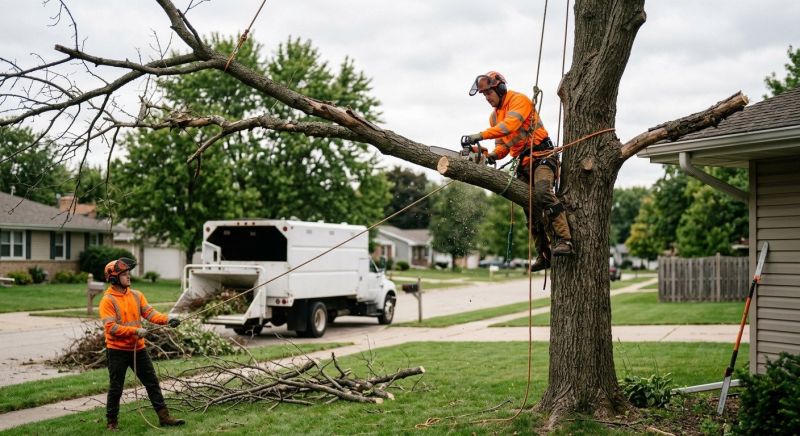
Dead branch removal services involve safely eliminating damaged, dead, or overgrown branches from trees to maintain the health and appearance of the landscape. These services are suitable for various projects, including pruning hazardous limbs near walkways or structures, reducing the weight of heavy branches that could break, and improving overall tree stability. Property owners typically want to understand the scope of work, the safety measures involved, and how the removal will affect the tree’s health and growth to ensure the project aligns with their landscape goals.
Before requesting dead branch removal, homeowners often consider the extent of branch damage or decay, the location of the branches relative to structures or power lines, and any potential impact on the tree’s vitality. It’s also common to inquire about the proper timing for removal to promote healthy regrowth and prevent future hazards. Clear communication about these details can help determine the most effective approach for maintaining a safe and attractive outdoor space.
Many property owners in Reno, NV look into Dead Branch Removal for repairs, replacements, upgrades, and appearance-related improvements.
Dead Branch Removal Services
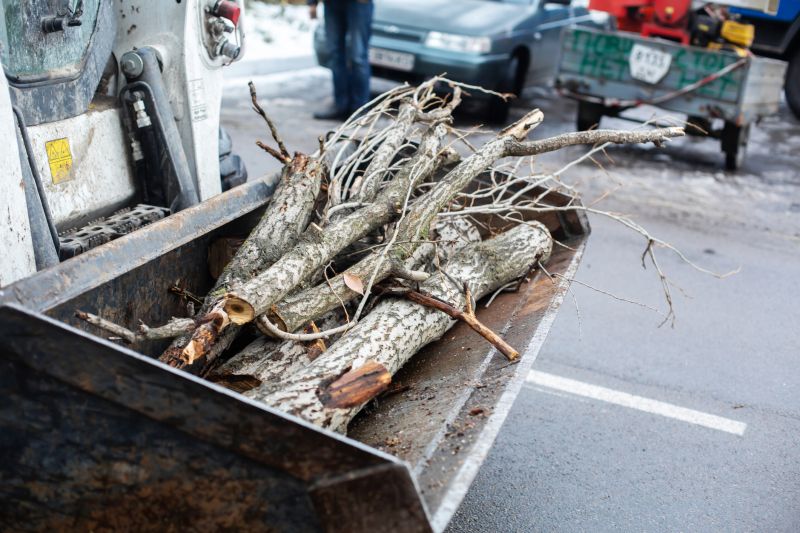
Examples of dead branch removal work property owners may explore in reno, nv.
Dead Branch Removal Updates
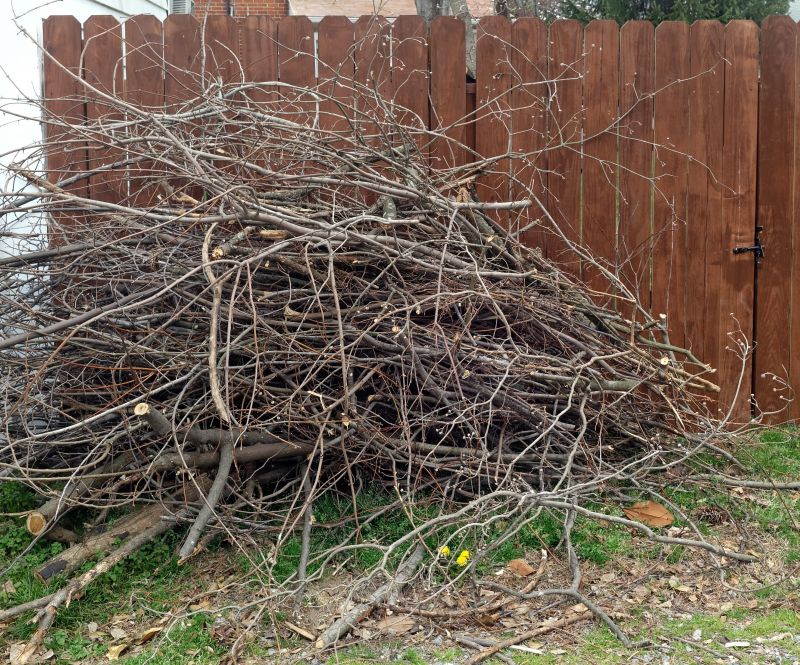
Common ways people refresh, improve, or restore dead branch removal features in reno, nv.
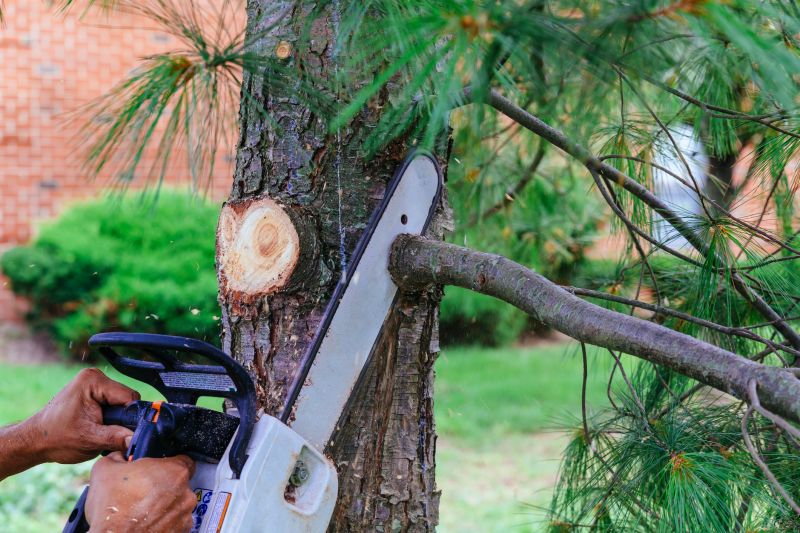
Dead Branch Removal Options
Different styles, layouts, and finishes people consider for dead branch removal in reno, nv.
Dead Branch Removal in Reno, NV
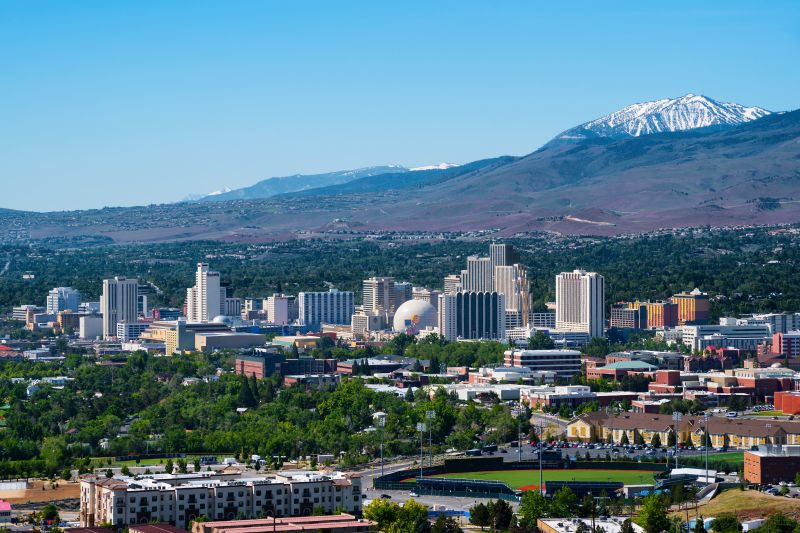
Dead branch removal services involve safely eliminating damaged, dead, or overgrown branches from trees to maintain the health and appearance of the landscape. These services are suitable for various projects, including pruning hazardous limbs near walkways or structures, reducing the weight of heavy branches that could break, and improving overall tree stability. Property owners typically want to understand the scope of work, the safety measures involved, and how the removal will affect the tree’s health and growth to ensure the project aligns with their landscape goals.
Before requesting dead branch removal, homeowners often consider the extent of branch damage or decay, the location of the branches relative to structures or power lines, and any potential impact on the tree’s vitality. It’s also common to inquire about the proper timing for removal to promote healthy regrowth and prevent future hazards. Clear communication about these details can help determine the most effective approach for maintaining a safe and attractive outdoor space.
Many property owners in Reno, NV look into Dead Branch Removal for repairs, replacements, upgrades, and appearance-related improvements.
Common Dead Branch Removal Jobs
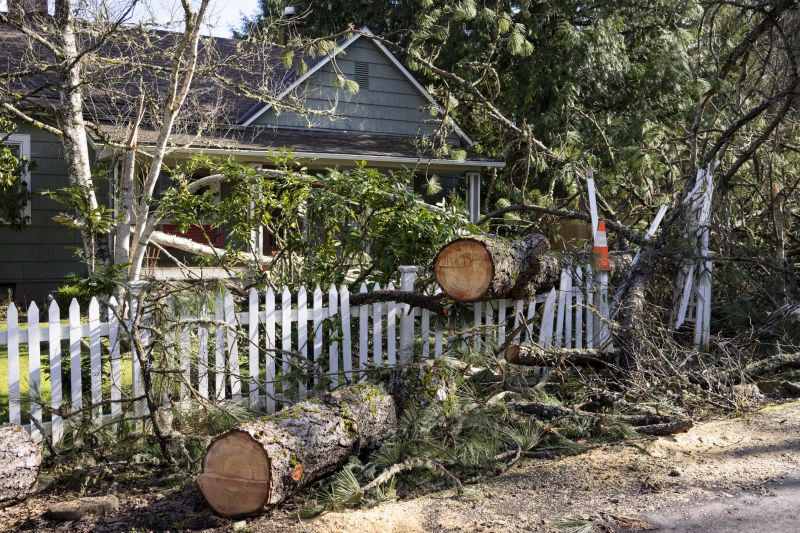
Dead branch removal services help prevent potential damage caused by falling limbs.
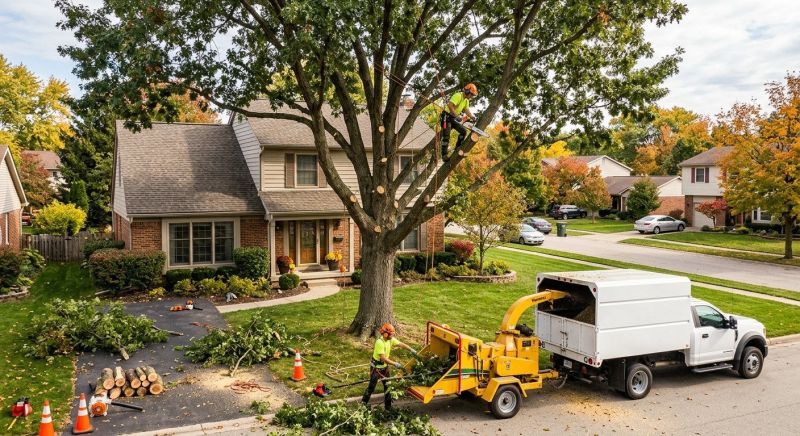
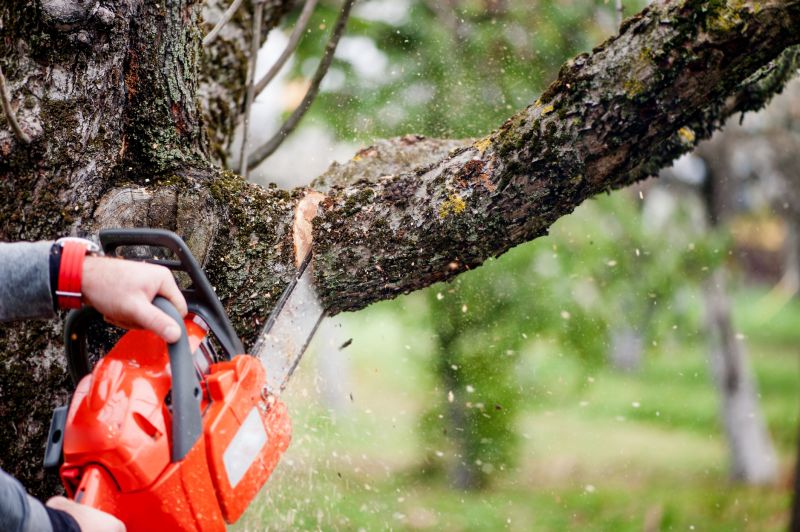
They involve safely cutting and removing dead or hazardous branches from trees.
This work reduces the risk of injury or property damage during storms or high winds.
Dead branch removal can improve the overall health and appearance of trees.
The process involves careful assessment to identify branches that pose safety concerns.
Professional removal helps maintain property safety and tree longevity.
Dead Branch Removal Questions
What are dead branches? Dead branches are parts of a tree that have no live tissue and are at risk of falling, which can pose safety hazards or damage property.
Why remove dead branches? Removing dead branches helps prevent potential damage to the tree and nearby structures, and promotes healthy growth.
When is the best time for dead branch removal? Dead branch removal can be performed anytime the branches are identified as hazardous or unsightly, typically during the dormant season or as needed.
How can dead branch removal benefit a property? Clearing dead branches enhances safety, improves the appearance of the landscape, and supports overall tree health.
Request Dead Branch Removal in Reno, NV
Use the quote form on this page to share the basics of your project and request more information for the type of work you need.